By Debi Lander
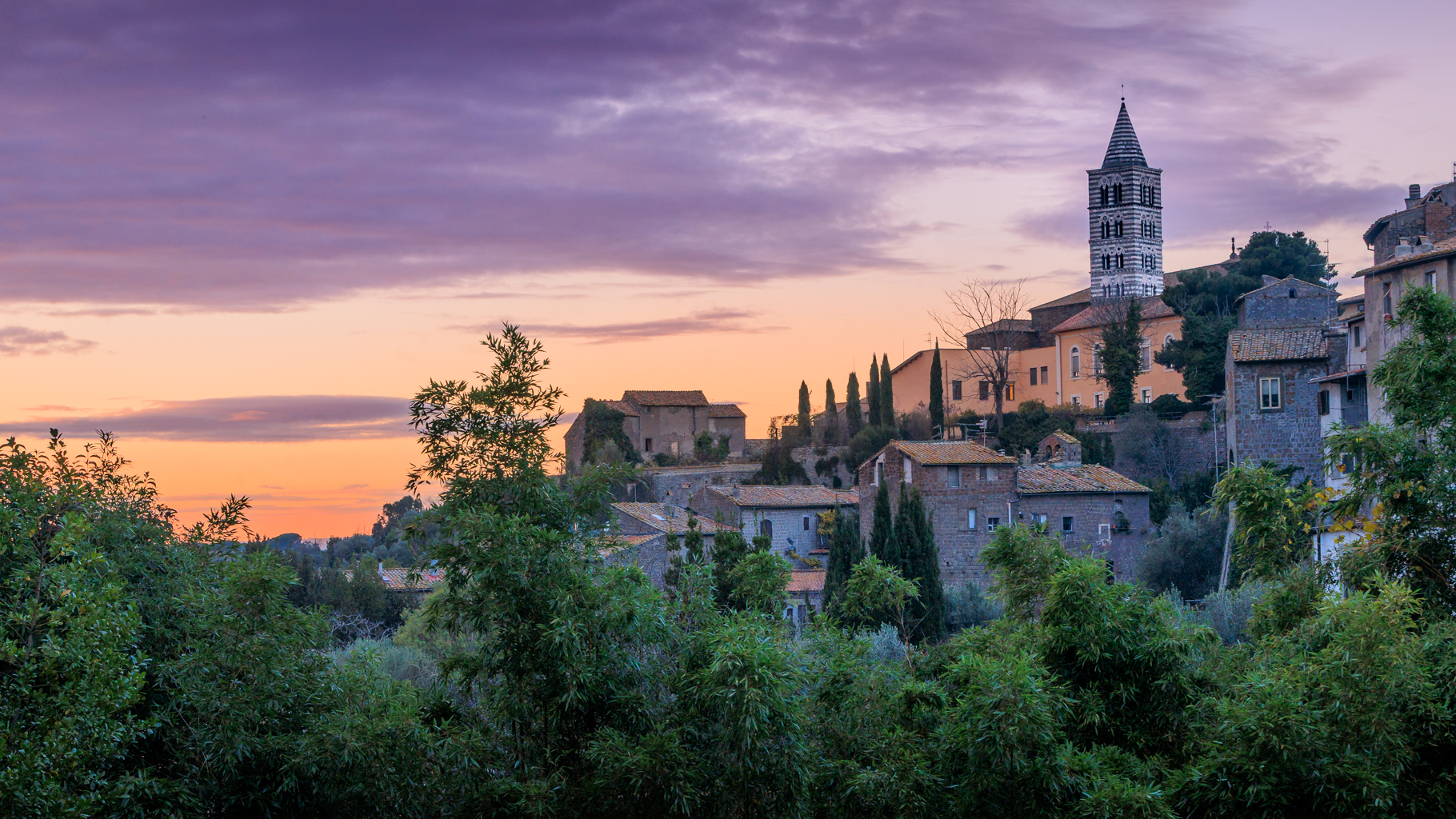
I recently took an hour-and-a-half train trip north from Rome to the medieval city of Viterbo. This predominantly stone-built region once stood at the very center of the Catholic world. Viterbo is not just another beautiful hill town. Known as The City of Popes, it is the place where the modern papal conclave was forged, born from frustration, faith, and a roof quite literally torn away.
Last year, when the world once again watched white smoke curl into the Roman sky with the election of Pope Leo, Viterbo’s story felt newly alive. The ancient process that guided the Church through that transition began here more than seven centuries ago.
A city of popes and power
During the 13th century, Rome was often unstable, unhealthy, and racked by political conflict and violence. Viterbo, loyal to the papacy and protected by strong medieval walls, became a favored refuge for popes. Several lived and governed here, transforming the city into a temporary seat of Christendom.
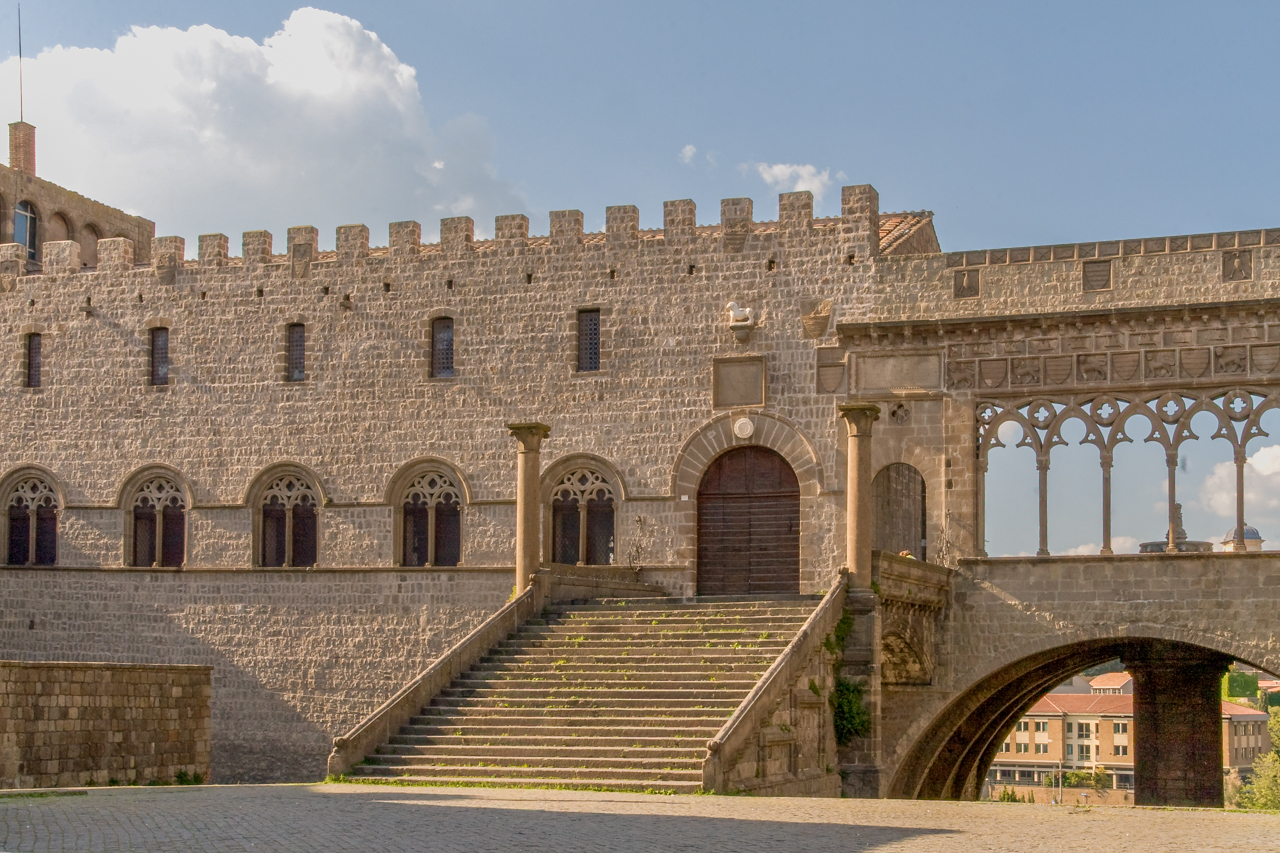
The Palazzo dei Papi, with its commanding loggia and austere Gothic lines, still dominates Viterbo’s skyline. Standing in its shadow, I could easily imagine the urgency and tension that once filled its chambers, for this is where one of the most significant events in Church history unfolded.
The election that changed everything
Viterbo’s pivotal role began in 1261, when Pope Alexander IV died within the city walls. The cardinals gathered there to elect his successor, establishing Viterbo as a trusted stage for papal decision-making.
But it was after the death of Pope Clement IV in 1268 that Viterbo would truly change history.
The cardinals met again in the palace, but months turned into years. Yes, nearly three years passed, 1,003 days exactly, the longest papal election in history. The people of Viterbo, exhausted by the stalemate and fearing divine displeasure, finally took action. In those days it was customary for the city to host the cardinals, but after such a long time, supplies were running low. The citizens locked the cardinals inside the palace, restricted their meals, and eventually removed the roof, exposing them to sun, rain, and winter winds. (They slept in tents and the room still bears the post holes.)
In 1271, the cardinals finally elected Teobaldo Visconti, who became Pope Gregory X. Deeply affected by the ordeal, Gregory later issued formal rules for future elections: the cardinals would henceforth meet cum clave, in strict seclusion until a pope was chosen.
The conclave was born.
From medieval crisis to modern ritual
When the cardinals assembled last year to elect Pope Leo, they followed procedures that trace directly back to Gregory X’s decree, procedures shaped by that long winter in Viterbo.
The locked doors of the Sistine Chapel, the oath of secrecy, the daily ballots, the white smoke rising above St. Peter’s, all of it carries the imprint of this small hill town.
Walking through living history
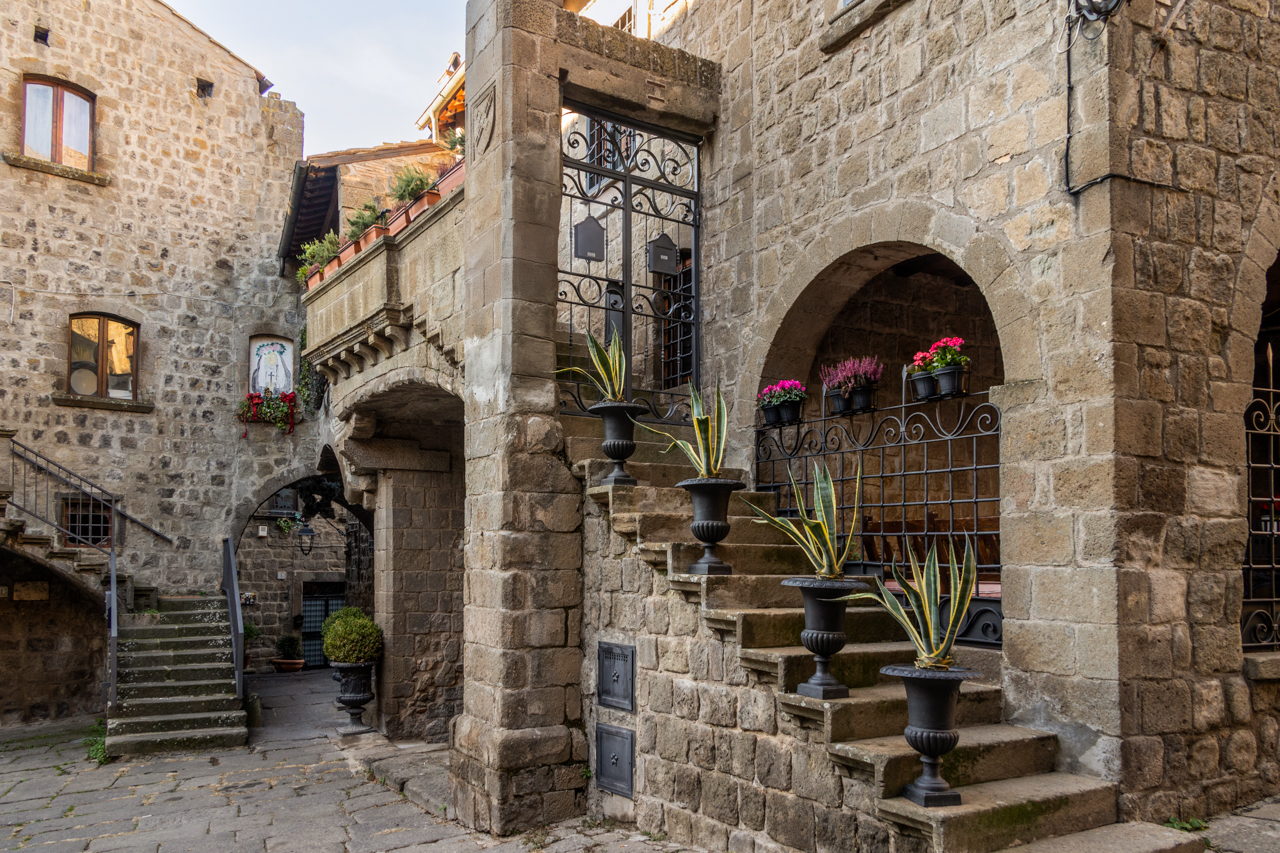
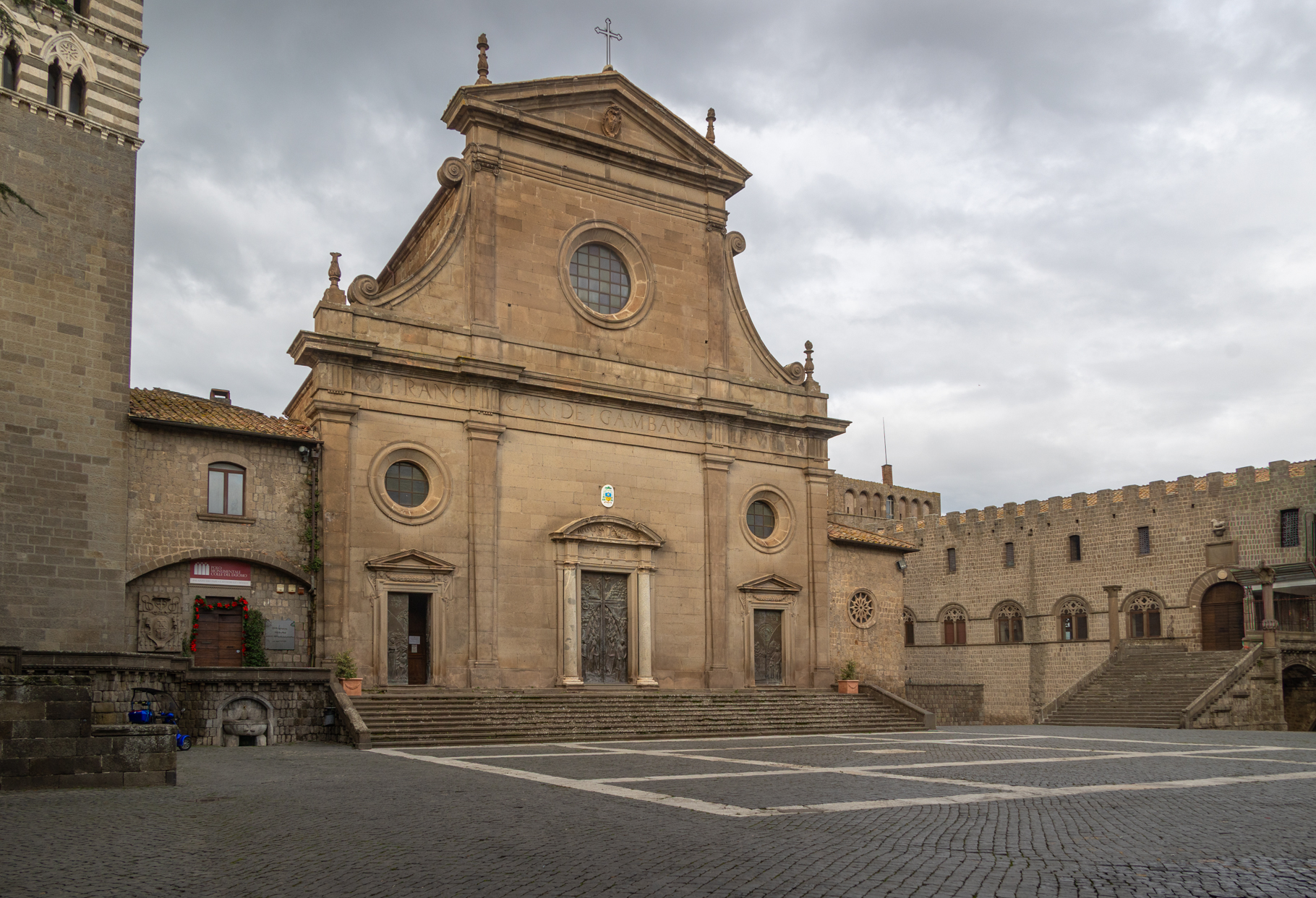
Today, visitors to Viterbo step into a remarkably preserved medieval world. The stark interior of San Lorenzo Cathedral stands beside the Papal Palace. The former conclave hall houses relics and a rare parchment bearing the original balloting tags of the cardinals. The old quarter unfolds in narrow stone lanes and arches that seem little changed since the Middle Ages.
Viterbo is not a museum city. It breathes. It lives. And its stones remember.
Viterbo taught the Church that even sacred decisions require structure and that faith sometimes needs the firm nudge. The rules born there continue to guide the world’s largest Christian institution, including the election of Pope Leo in our own time.
Debi Lander is an award-winning travel writer and photographer who blends her passion for history, culture, food, and personal discovery into captivating stories. Through her website Bylandersea.com and her long-running travel column for Florida Newsline, she explores destinations from small U.S. towns to iconic global landmarks. She hopes her storytelling and practical insights inspire readers to experience the world with curiosity, appreciation, and a sense of adventure. Debi can be reached by email to mail@floridanewsline.com.