By Connie Doyle
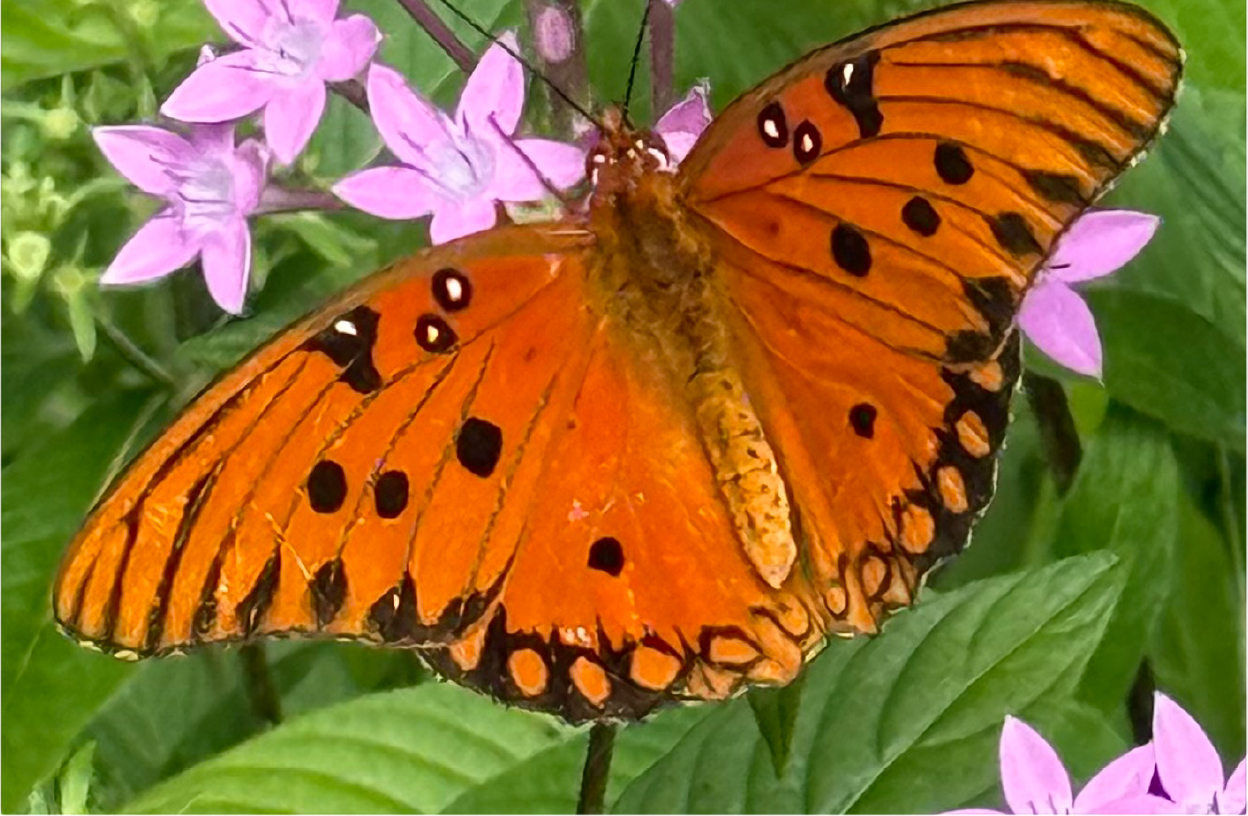
March is a pivotal month in Northeast Florida gardens. The days are warming, plants are waking up and pollinators are emerging from winter in search of food. Bees, butterflies, moths and other beneficial insects depend on early-season blooms to regain strength, reproduce and continue the vital work of pollination that supports both our landscapes and our food supply.
Many people think of pollinator gardening as a summer activity, but March is when the foundation is laid. Early blooms provide nectar and pollen at a time when natural food sources are still limited. By choosing the right plants now, home gardeners can turn even small spaces into important refueling stations.
Native plants are especially valuable because they evolved alongside local pollinators. In our area, plants such as coreopsis, blanket flower, native salvias and milkweed are excellent choices. Milkweed deserves special mention, as it is the only host plant for monarch butterfly caterpillars. Planting it early gives monarchs a place to lay eggs as they move through Florida during spring migration. Herbs like dill, fennel and parsley also play a dual role, feeding both people and swallowtail butterfly larvae.
Non-native plants can still be helpful when chosen carefully. Pentas, lantana and verbena are reliable nectar sources and perform well in our climate when planted in March. The key is diversity. A mix of flower shapes, colors and bloom times supports a wider range of pollinators and keeps them visiting your garden throughout the season.
Equally important is how we garden, not just what we plant. Avoiding pesticides is critical, especially in spring when pollinators are most vulnerable. Many insect problems resolve themselves naturally once beneficial insects arrive.
Pollinator gardening does not require acres of land or perfectly designed beds. Containers on a patio, a corner of the yard or even a few flowering shrubs can provide real benefits. In Ponte Vedra’s sandy soils, adding organic matter at planting time helps plants establish quickly and begin blooming sooner, which means pollinators benefit faster.
By planting with pollinators in mind this March, gardeners are doing more than creating beauty. They are participating in a larger ecosystem that supports birds, food crops and the health of our local environment. A garden that hums with life is not just enjoyable to watch—it is a sign that nature is working exactly as it should.
Plant it, and they will come!
Connie Doyle writes The Good Earth, a gardening column inspired by a lifelong passion for plants, nature, and the peaceful rhythm of the garden. With more time in retirement, she has been inspired to take that passion to the next level — learning, growing, and sharing with others in our community by way of earning her Master Gardener Certification. Connie can be reached by email to mail@floridanewsline.com.